A design system that made Pendula enterprise-ready
As Pendula moved upmarket into enterprise, the product needed to look the part and build faster. I led the design system and brand refresh that made both possible.
Pendula is a B2B SaaS customer engagement platform powered by AI. Non-technical marketers can build AI-driven, two-way conversations. The AI layer handles segmentation, behavioural triggers, and escalation decisions — think a telco sending 100,000 bill reminders via SMS, then intelligently handling every reply.
the problem
The systematic design language was absent as Pendula was scaling into enterprise, and this was slowing development time. Every feature was built from scratch, in siloed Figma files, with no shared components. As the product grew, inconsistencies compounded. The brand didn't exist in a codified form. As the lead Product Designer, I led and built the design system and brand refresh for faster builds and a mature product for enterprise customers.
solution
One design system for one complex brand
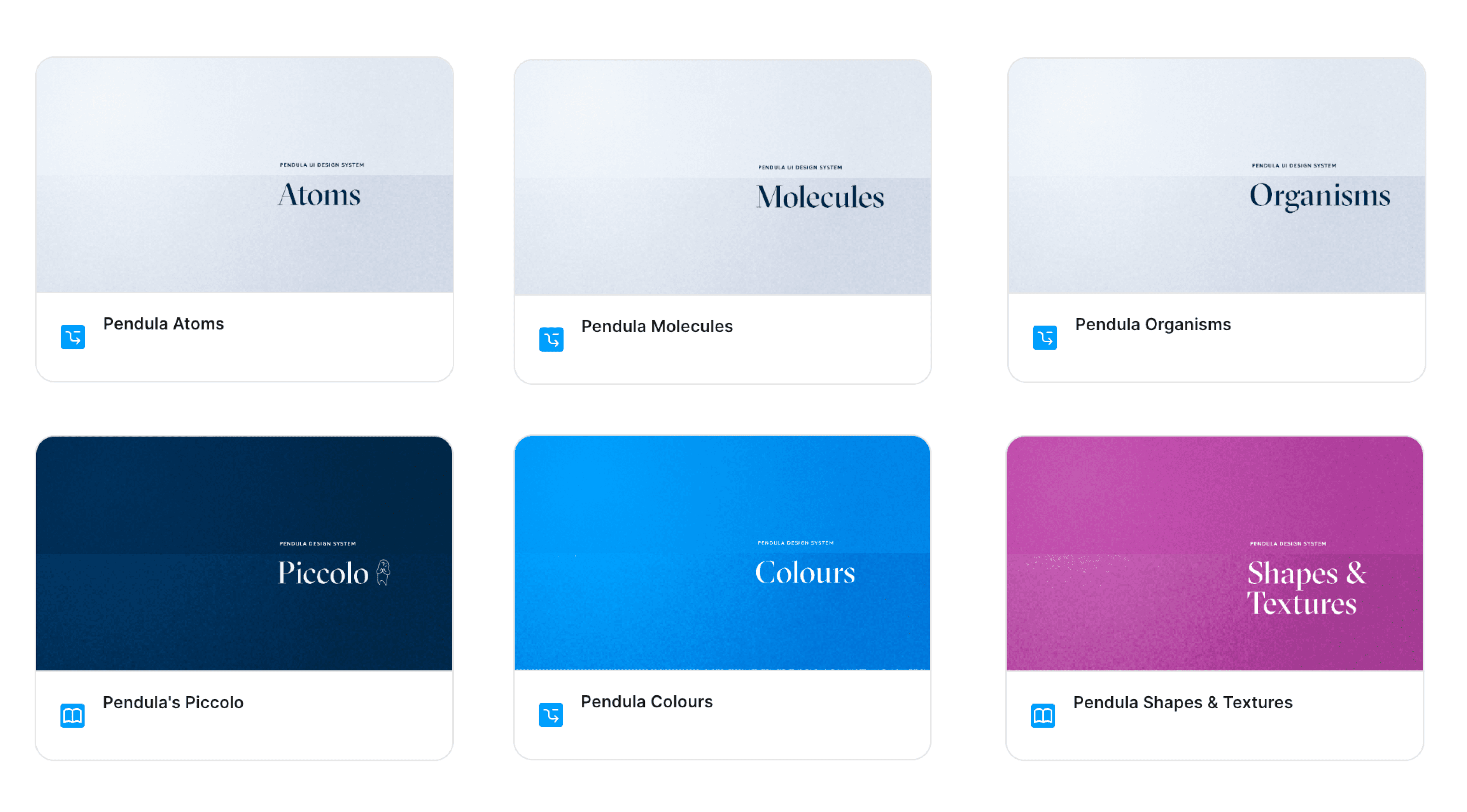
A mammoth project with 6 brand new Figma design system files, built to scale for our new brand refresh.
Customised features that used to take weeks could now be released in just days.
Six new Figma design system files which resulted in:
New website and brandbook, for visual consistency across product and brand
New brand language, built from scratch in Figma. Small or big changes can now be updated across all design files automatically
A new friendly mascot, Piccolo, for an approachable image (and a subtle nod to our Aussie origins!)
Accessible design (WCAG 2.1 compliance)
My role
role
Designer
Tools
Figma, Jitter, Lottie,
Illustrator, InDesign, Photoshop
skills
Product design, Graphic design,
User research, Branding
reflection
The enterprise pivot created the brief, but "build a design system" is a starting point, not a direction. The scope was mine to define. Enterprise customers evaluate more than features; they evaluate whether a product looks like it belongs in their stack. Inconsistency at scale reads as immaturity, and Pendula had already scaled past what the existing files could support.
Choosing atomic design methodology was a velocity decision as much as a craft one. Engineering could assemble from components rather than build from scratch, configure them, and ship. Customised features that used to take weeks moved to days.
Working with the front-end engineering team to implement in Storybook and Chromatic created a single source of truth between design and code. The system answered questions before teams had to ask.
A complete visual overhaul alongside systematic design
A complete design system build and brand refresh was also necessary for Pendula's enterprise pivot – new colours, typography and visual language. The goal was to build this into a scalable atomic design system.
In particular, the product UI was categorised using the atomic design methodology. This meant that if an atom was changed it would be seamlessly reflected across all our design files.
From design to code
I worked with the front-end engineering team to implement components in Storybook and Chromatic. This created a single source of truth across the UI design and code. The system answered questions before teams had to ask.
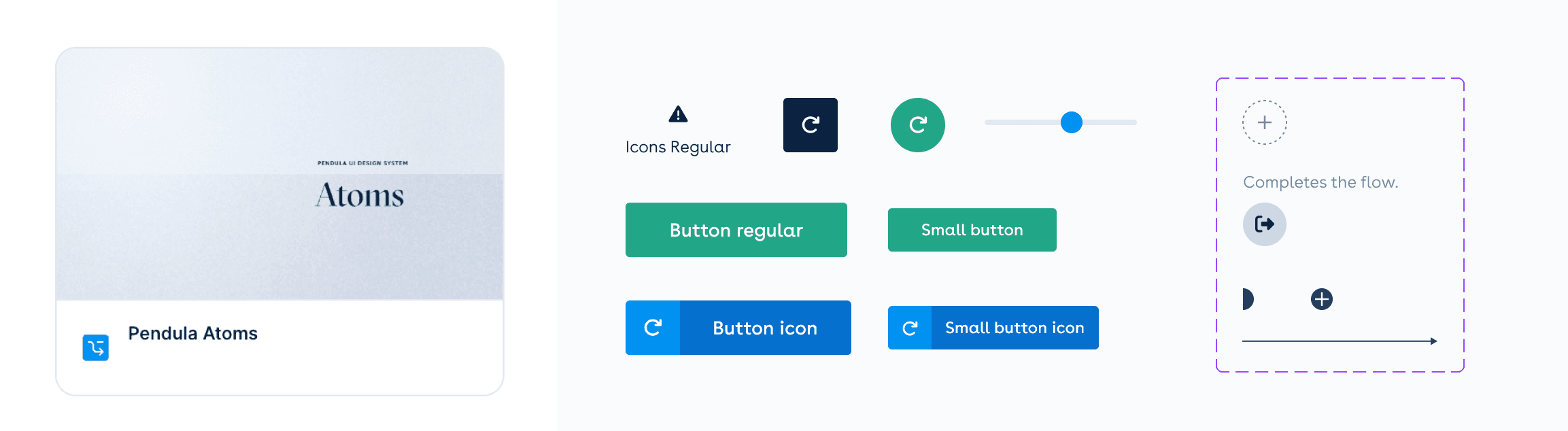
Atomic building blocks with basic buttons, icons and node components.
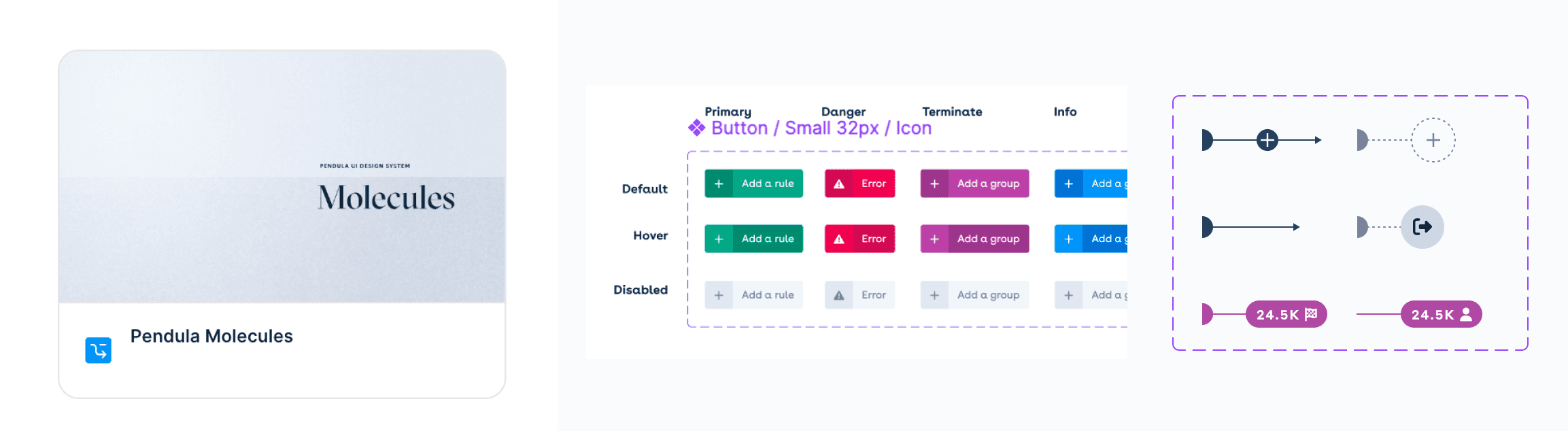
Molecules are atoms combined to form components of different states and variations.
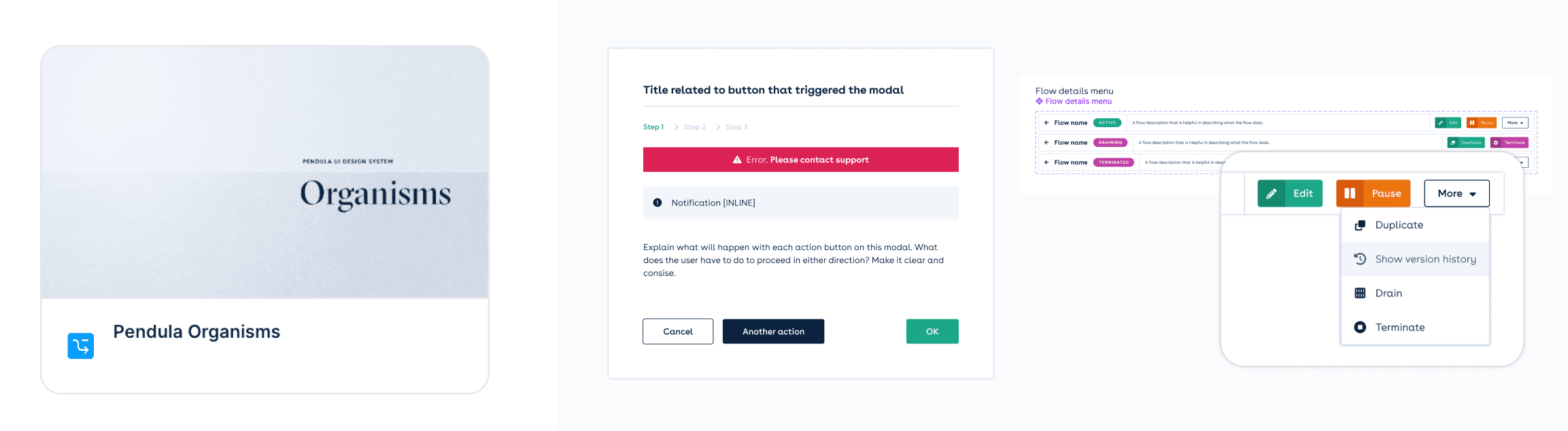
Organisms are a complex collection of molecules, now used in a modal and the navigation header.
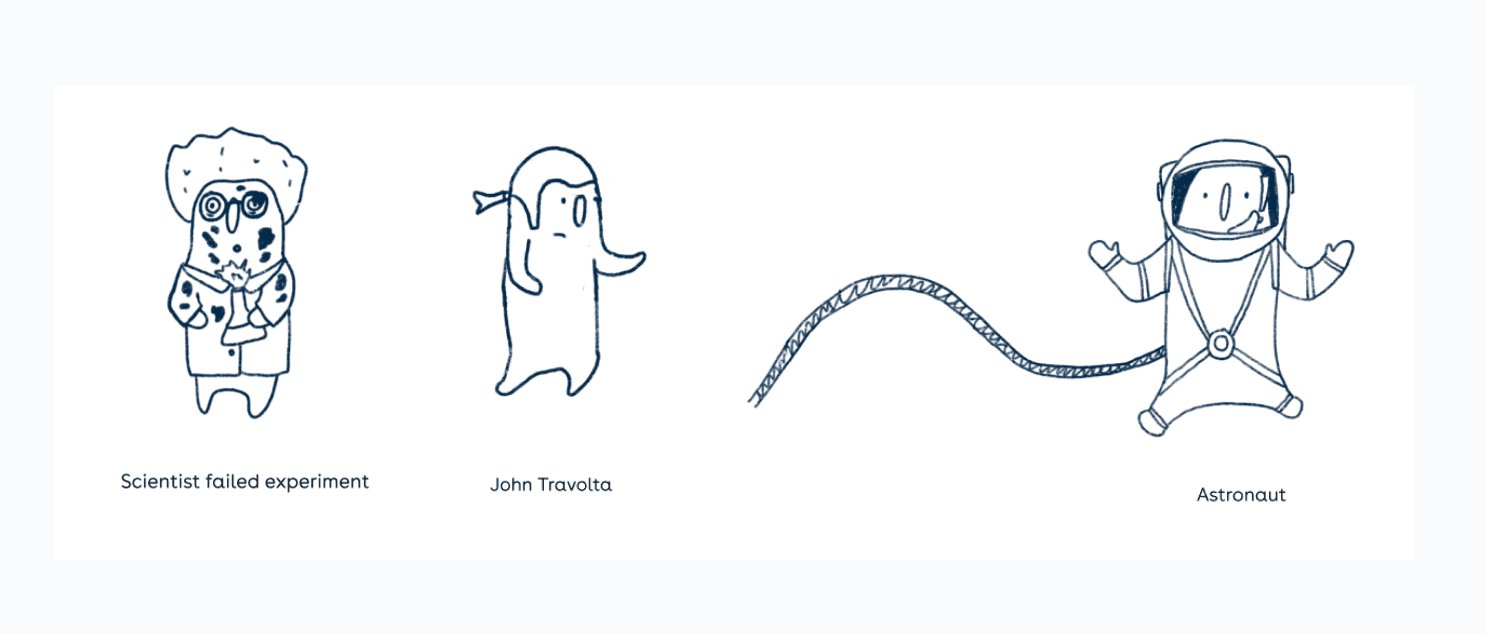
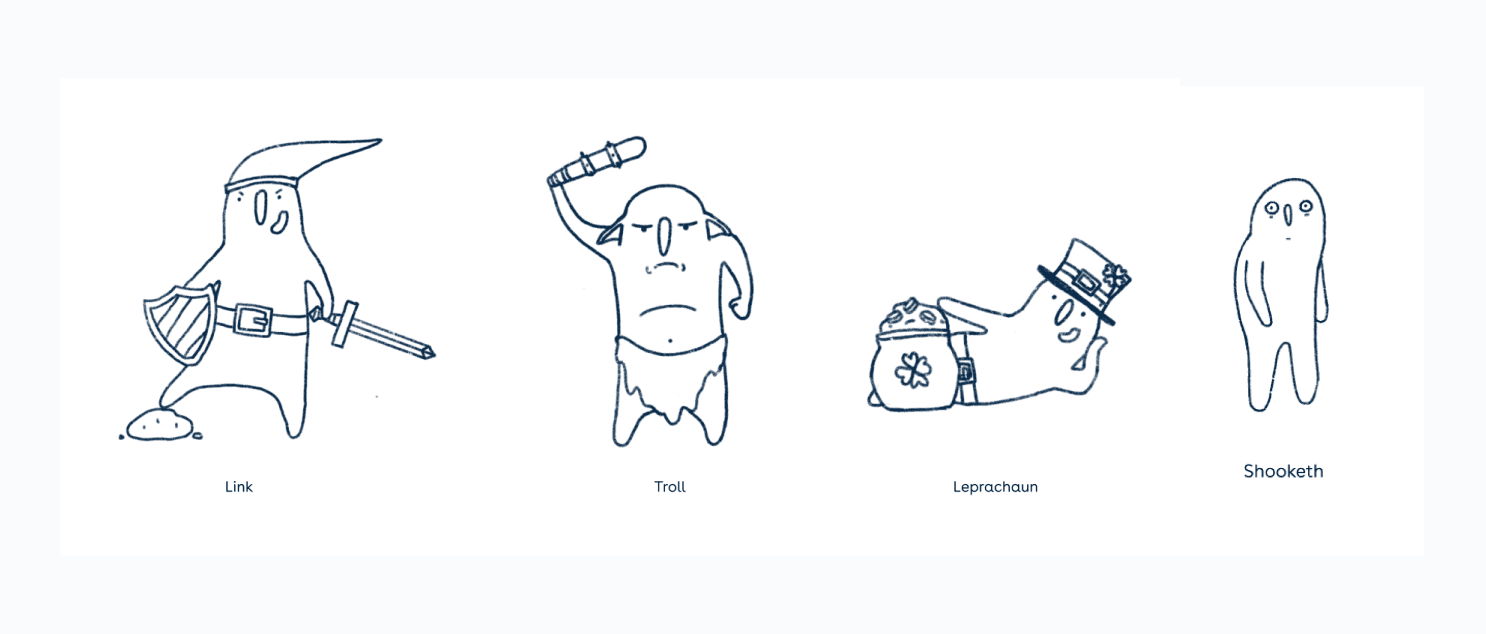
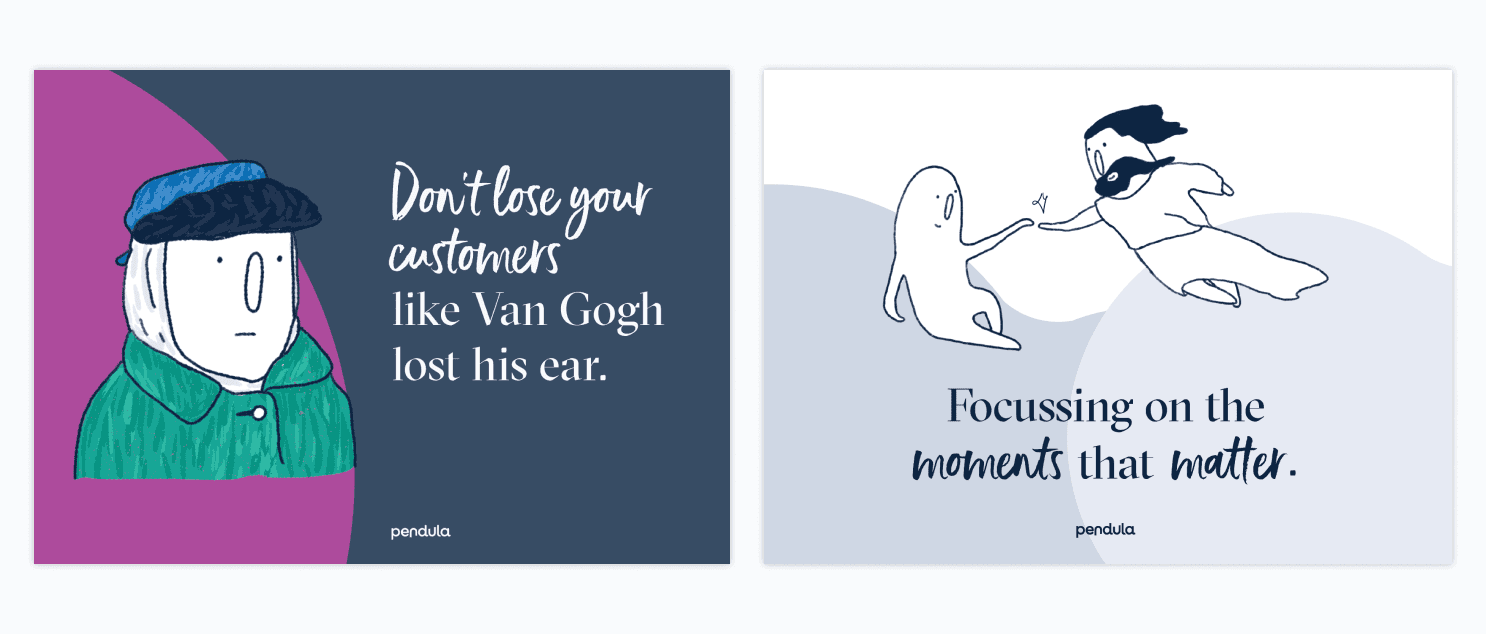
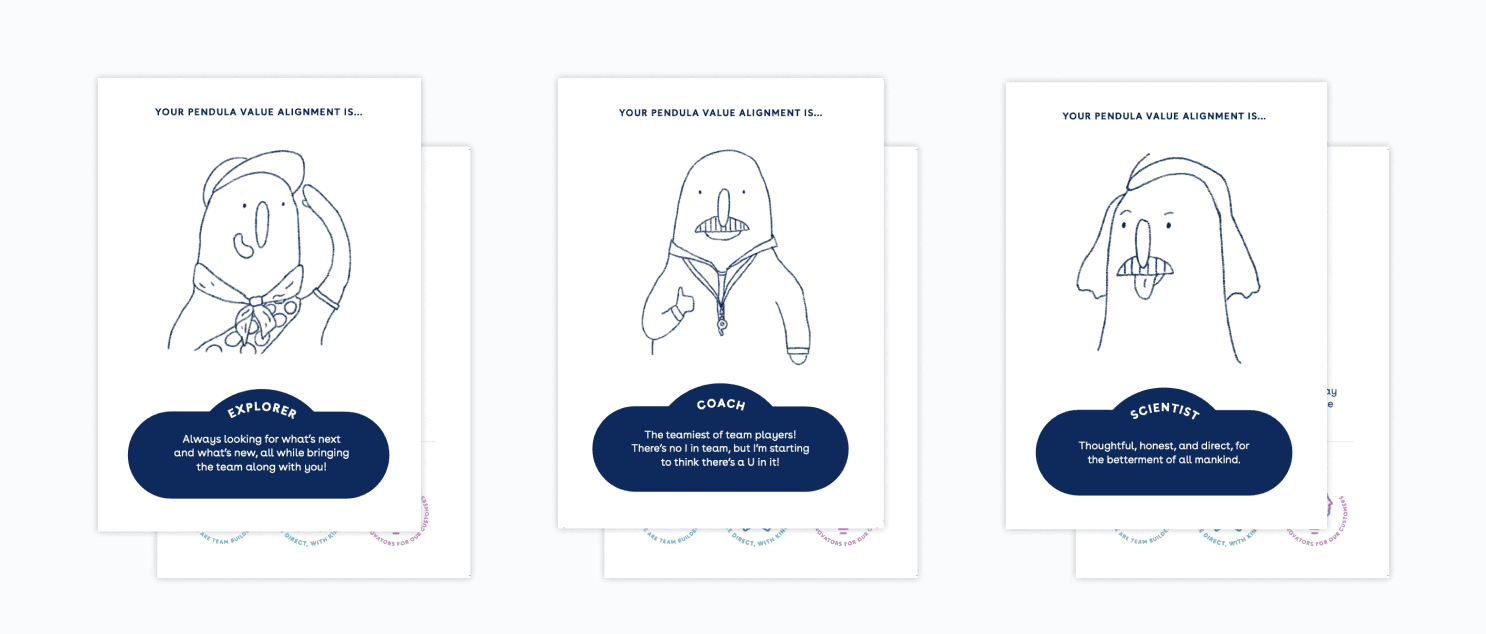
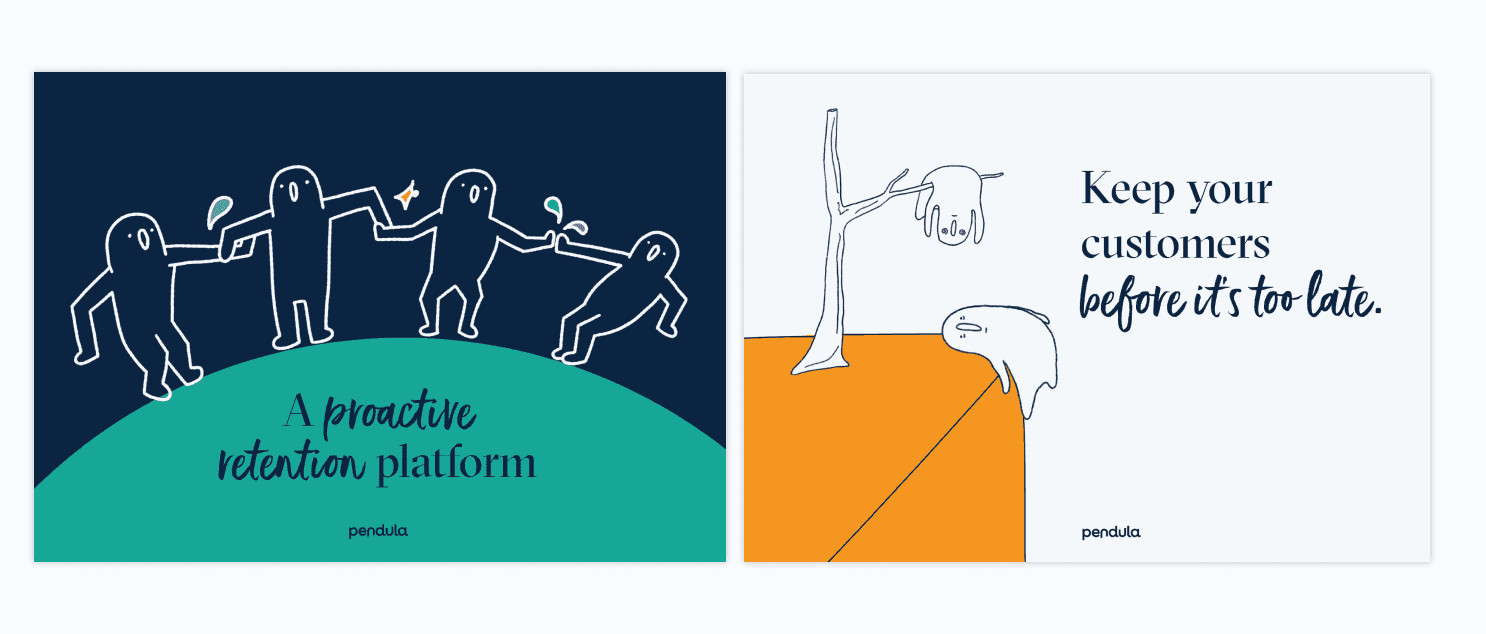
Piccolo, an Australian coffee but also our new mascot, went on all sorts of adventures for marketing and product purposes.
Piccolo creating unexpected moments of delight to the user within the UI.
New shapes, built from the brand's philosophy
I created new shapes, inspired by the pendulum ball (Pendula is plural for pendulum) and the shape of the speech bubble. These were designed to be used in document and layouts.
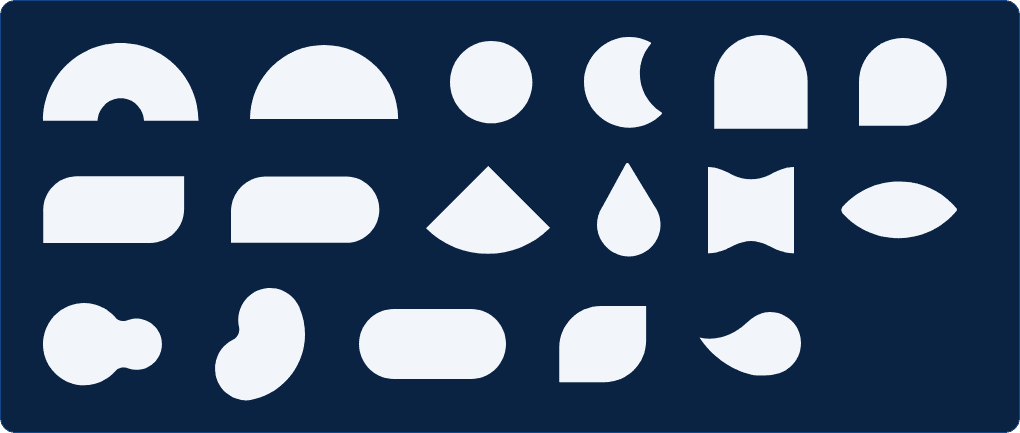
The complete set of shapes, forming the basis of brand across all marketing and product collateral.
Website refresh
With the design system taking shape, I led the creation of a new website and brandbook to support Pendula's enterprise positioning. The website was built using the same atomic components and brand tokens. Consistency between what prospects saw and what they'd experience in the product.
Other marketing collateral
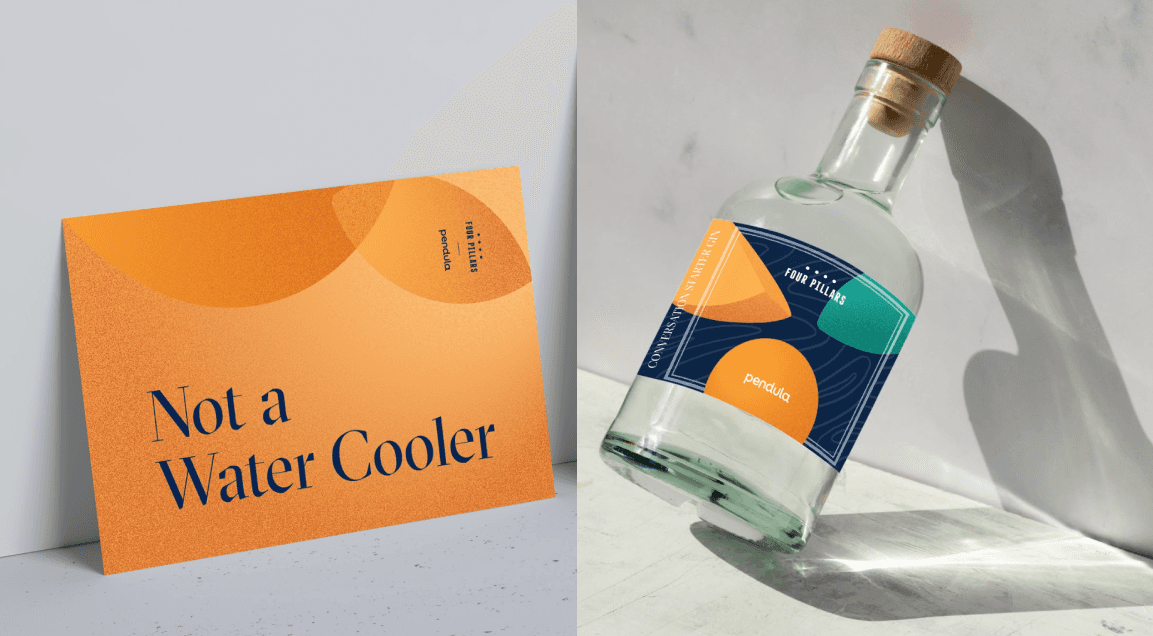
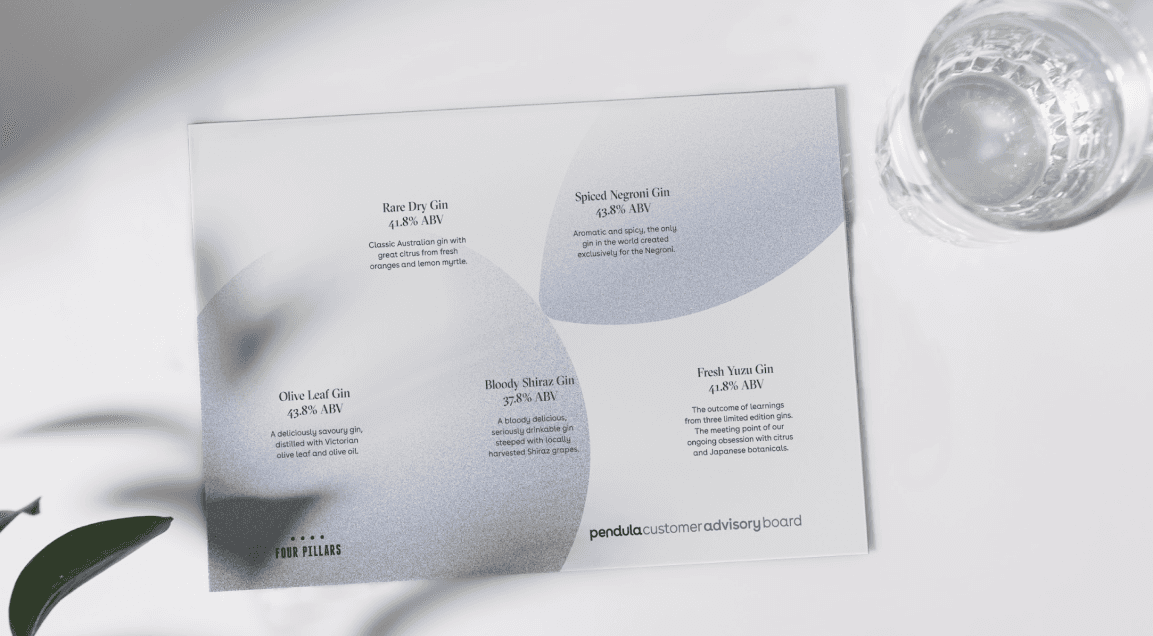
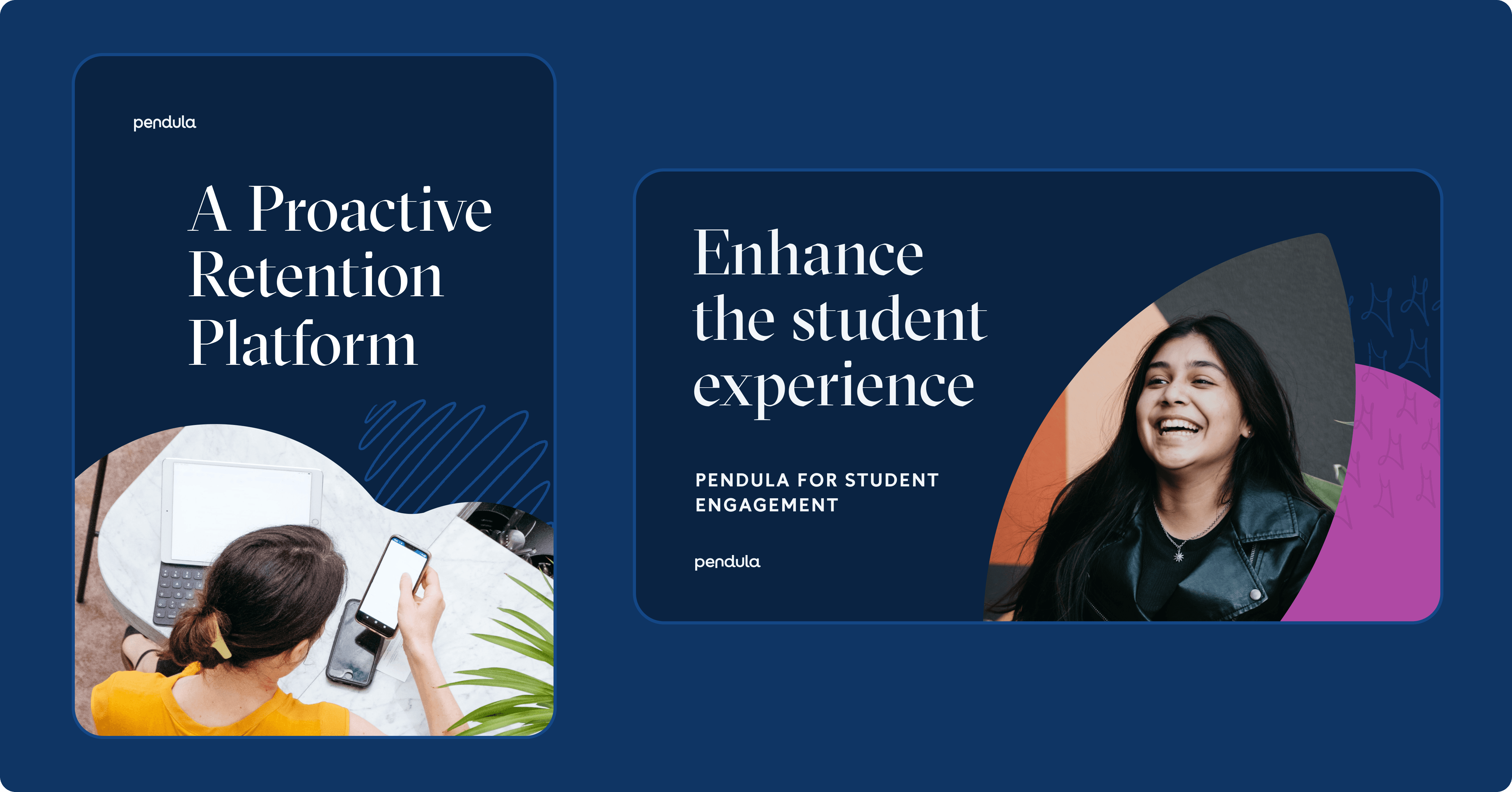
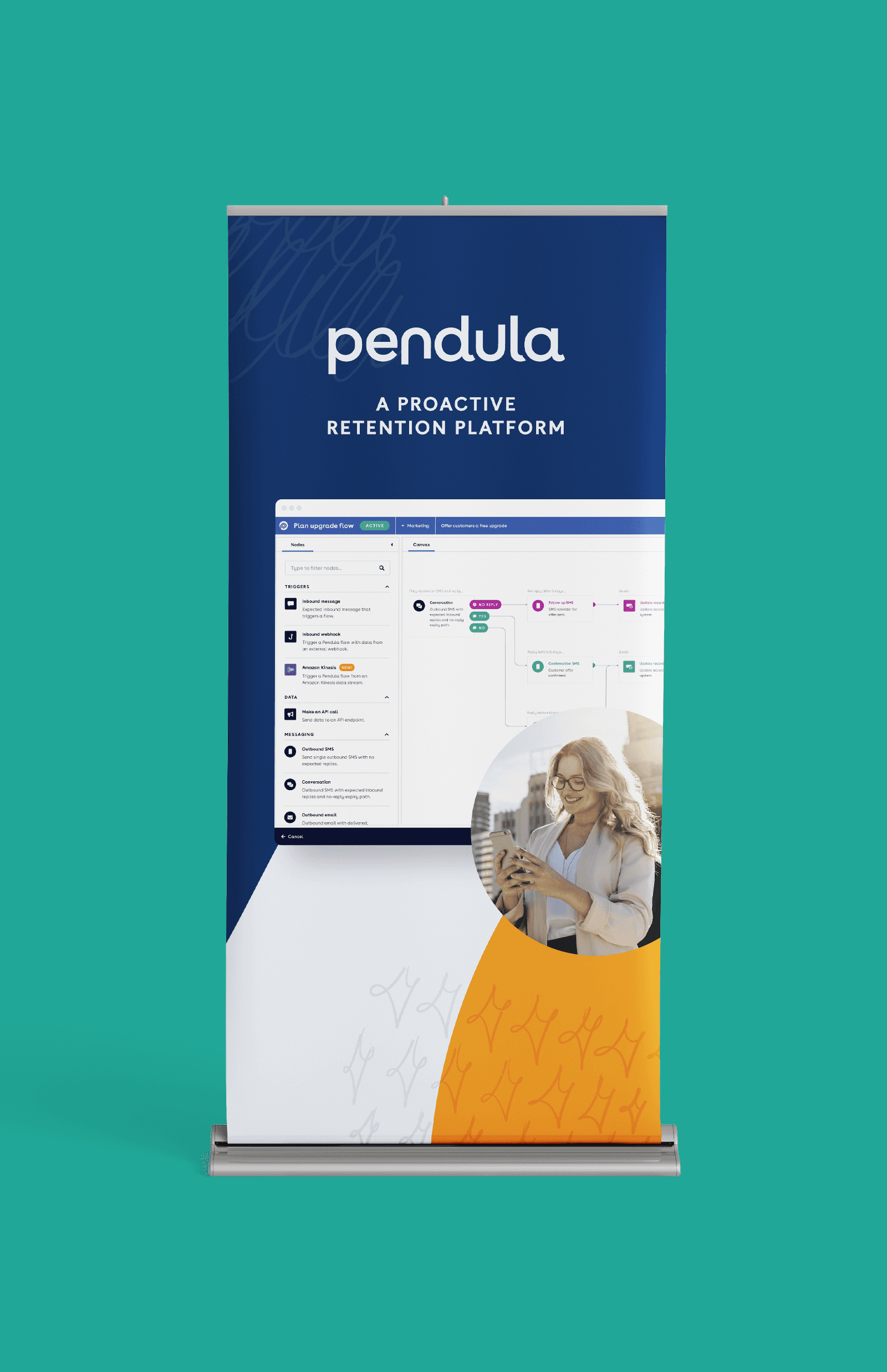
Enabling a fundamental architecture shift
The atomic design system enabled a complete rethinking of how Pendula built product.
From unique code to modular building blocks. Engineers could assemble solutions from existing components. Wire them together, configure them, ship.
Customised features that used to take weeks could now be released in just days. For an enterprise product, this velocity was transformative. The design system became the foundation for product architecture that enabled the business to thrive in enterprise.
Pendula was acquired in August 2025.